
Elisabeth Browning

Renewable Fuels – Hengye Inc. Brochure
Overview of Renewable Fuels: Landfill Gas & Hydrogen A quick look at the products we manufacture and some of our most popular applications for Renewable Fuels: Landfill Gas & Hydrogen. Overview...
read more

Did You Know? Wet Beads
Wet Beads: Why Two-Phase Flow is Bad Hengye Inc. strives to provide the most up to date material at competitive prices plus an important “value add”. Our onsite or remote service...
read more
Did You Know: Zeolite
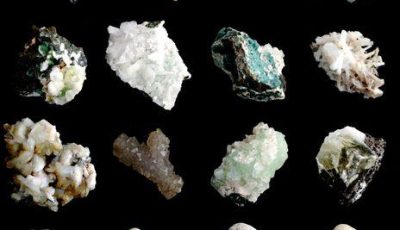
The material referred to as molecular sieve is called Zeolite. Today zeolite is made synthetically but was originally described by the Greeks. Zeolite is Greek for “Boiling stone”. When the Greeks...
read more

Starting Up A Bed After Change Out – Ethanol Dehydration Units
Start Up an Ethanol Dehydration Unit After a Change Out or for Initial Commissioning What to Know About Start Ups Before starting a ethanol dehydration unit, or ethanol bed, there are...
read more
Lateral Top Off Schedule – Ethanol Dehydration Units
Lateral Design Top Off Schedule Sample for Ethanol Dehydration Units General Guide to Topping Off Laterals Below is a general schedule for topping off new bead installations in lateral designs* It...
read more

How to Dispose of Molecular Sieve
In the United States, molecular sieve can be disposed of in a licensed landfill. The material is normally analyzed to meet the regulations for proper chemical waste management. For safety information,...
read more
Loading – Ethanol Dehydration Units
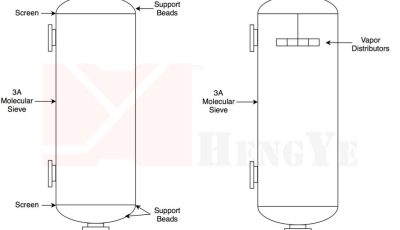
Recommendations for Loading Ethanol Beds Packaging The best way to start the process of loading an ethanol dehydration unit is by knowing what material you will be using to load the...
read more

Unloading – Ethanol Dehydration Units
Preparing an Ethanol Dehydration Unit for Unloading Before unloading an ethanol dehydration unit, it's important to know how you plan to dispose of the material first. In most cases, licensed landfills...
read more