
Activated Alumina Adsorbent for Gas Drying, Water Treatment & Catalyst Applications
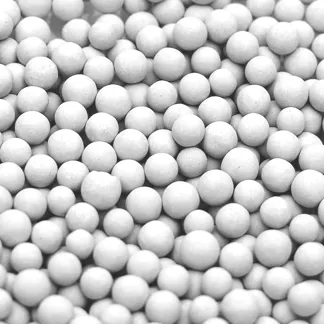
Adsorbent for Drying, Purification, and Water Treatment
Activated Alumina is a highly porous aluminum oxide (Al₂O₃) –based adsorbent used for drying, purification, and contaminant removal in industrial gas, air, and water treatment systems. It is widely used as an industrial desiccant in compressed air dryers, hydrogen purification systems, refinery units, petrochemical processing, and water treatment applications.
This porous material features an extremely high internal surface area, allowing it to efficiently remove moisture, fluoride, arsenic, sulfur compounds, and other contaminants from gases and liquids. Its high surface area and mechanical strength enable reliable adsorption performance under demanding operating conditions, making it well-suited for moderate drying, chemical stability, and long service life applications.
Standard Activated Alumina
HYAA300 – 3/16, 1/8, 1/4 Inch
Standard Activated Alumina is manufactured for water adsorption and filtration applications by adsorbing impurities from the surrounding environment. Specifically, Activated Alumina can be used in a wide range of applications, including the production of chemicals, pharmaceuticals, and in static or dynamic dehydration applications. More importantly, this Activated Alumina offers a high adsorption capacity for both static and dynamic adsorption processes.
Key Features
- used to dehydration or filtration applications
- capable of dehydrating surrounding environment
- creates ideal environment for the production of chemicals and pharmaceuticals
- offers advantageous adsorption capacity in static and dynamic applications
Product Forms
| Standard Options | Non-Standard Options |
| Beads: 1/4 inch, 3/16 inch, 1/8 inch, 7×14 mesh | Beads: 1/2 inch, 14×28 mesh, powder, and more… Granular: Options available |
Packaging Information
In addition to our Activated Alumina products, we also offer similar products. Email info@hengyeinc.com for more information.
Available: Bags, Super Sacks
| Bags | Pallet of Bags Information |
| Bag Dimensions: 30″ x 18″ x 6″ Bag Weight: 25kg = ~55lb net, 25.2kg = 55.55lb gross | Pallet Dimensions: 44″ x 44″ x 57″ Bags per Pallet: Forty (40) bags Pallet Weight: ~25kg = ~55lb Full Pallet: 1,033kg = 2,277lb gross |
Key Applications of Activated Alumina
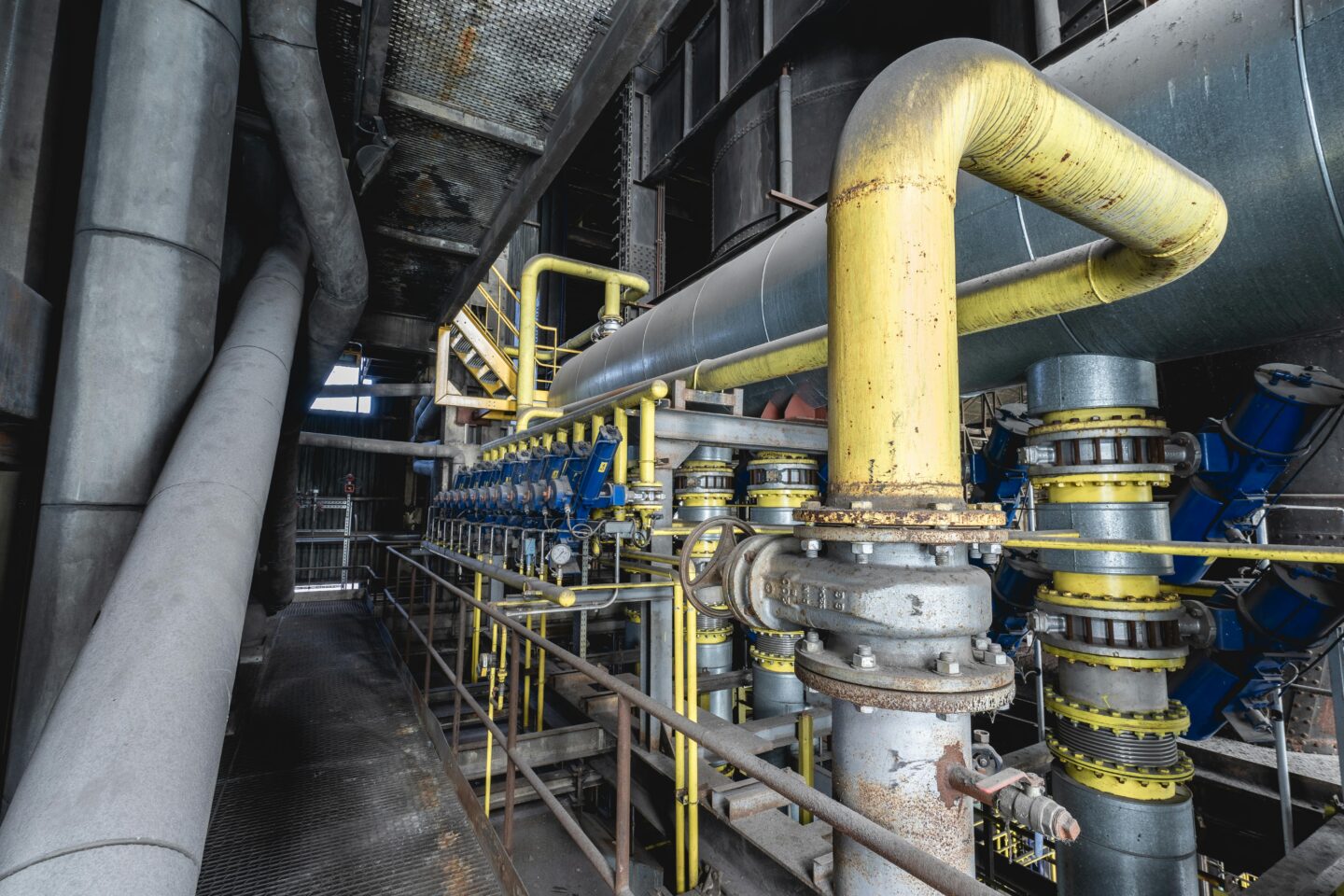
Industrial Air & Gas Drying
Activated Alumina is widely used for compressed air, PSA Nitrogen, Oxygen, Hydrogen, CO₂, and specialty gas drying due to its high water adsorption capacity, low dusting, and thermal stability.
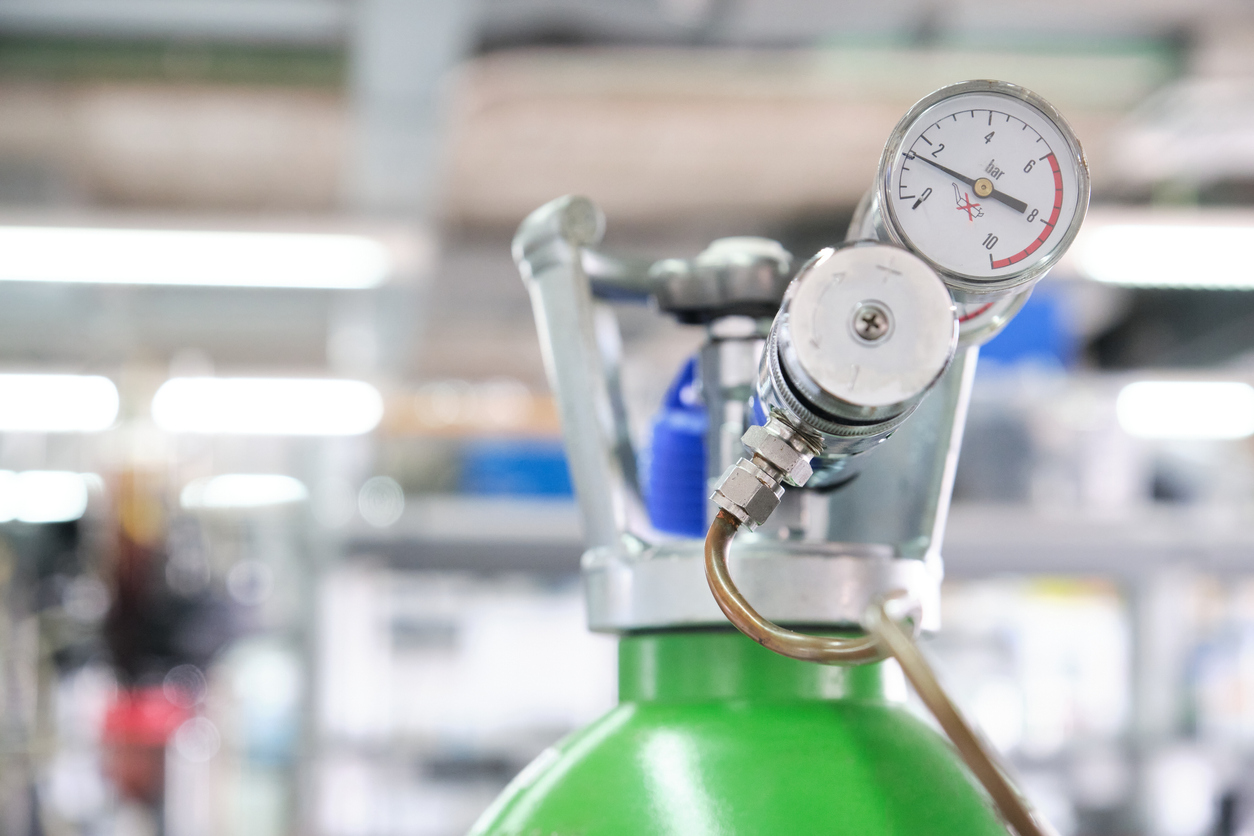
Oil, Gas & LNG Dehydration
Activated Alumina is commonly applied as a bulk dryer or guard bed upstream of Molecular Sieve to remove moisture and protect downstream assets in Natural Gas, LNG, and Refinery Operations.
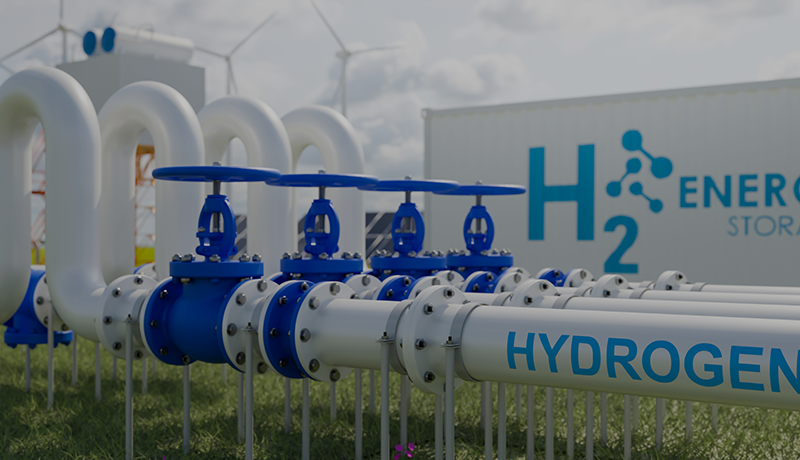
Hydrogen & Energy Transition
Activated Alumina is used in Hydrogen Drying, Electrolyzer Feed Gas Conditioning, and Fuel-Cell Protection, where ultra-low dust and consistent adsorption are critical.
Water Treatment
(Fluoride / Arsenic)
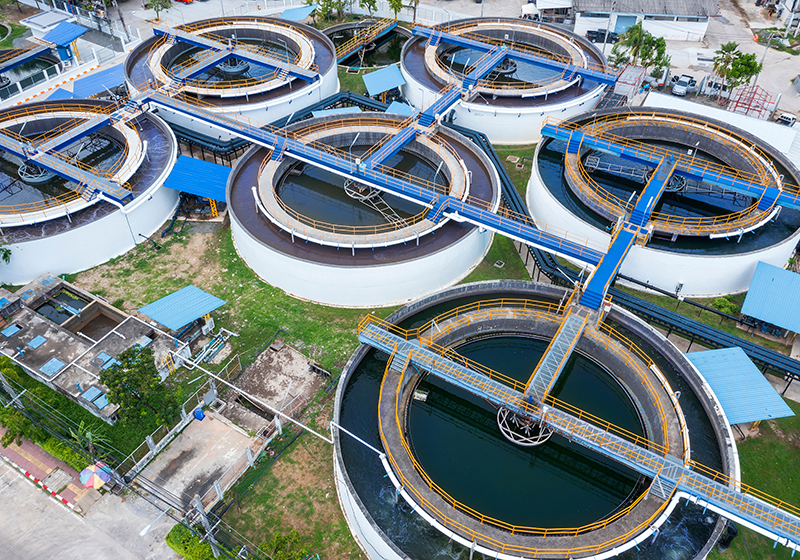
In Municipal and Industrial Water Treatment Systems, Activated Alumina is used for Fluoride and Arsenic Removal, where consistent adsorption performance and long service life are required.
Catalyst Support & Guard Beds
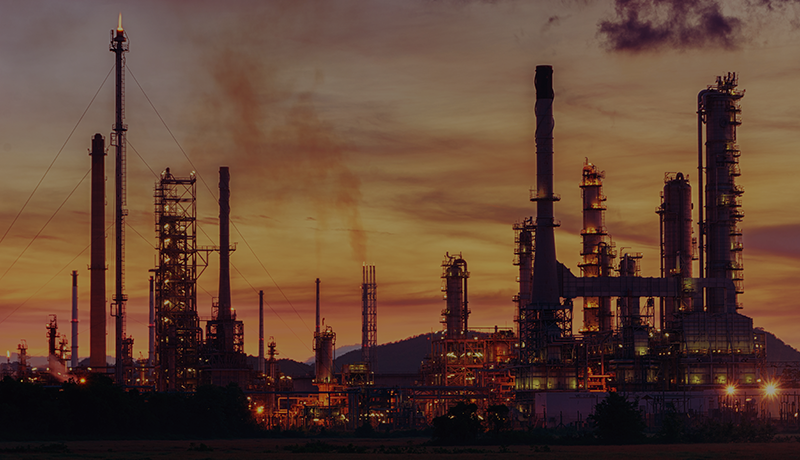
High-purity Activated Alumina serves as a catalyst carrier and guard bed media for Sulfur, Halides, and Trace Contaminants in Refinery and Petrochemical Units.
High-purity Activated Alumina Engineered for Moisture Removal, Fluoride Reduction, Hydrogen Drying, and Guard Bed Protection
Activated Alumina is produced through controlled thermal treatment of aluminum hydroxide. This process creates a rigid, highly porous aluminum oxide structure with:
- A network of interconnected microscopic pores
- High crush strength for packed bed systems
- Uniform pore size distribution
- Extremely high surface area for adsorption
This engineered pore structure allows water vapor and contaminant molecules to adhere to the internal surface of the beads, making activated alumina one of the most reliable gas purification adsorbents available.
Adsorption is a surface-based process in which molecules from a gas or liquid attach to the surface of a solid material.
In activated alumina, moisture and impurities adhere to the internal pore surfaces through physical attraction forces. Unlike absorption, adsorption does not dissolve the substance into the material — it remains on the surface, allowing for efficient removal and later regeneration.
This makes activated alumina highly effective for:
- Catalyst support and guard bed applications
- Compressed air drying
- Hydrogen and specialty gas drying
- Fluoride and arsenic removal in water
A major advantage of activated alumina is its regeneration capability. After reaching moisture or contaminant capacity, the material can be regenerated by applying controlled heat in a thermal swing adsorption (TSA) system.
Heating releases the adsorbed moisture, restoring adsorption capacity and allowing multiple reuse cycles. This regeneration ability makes activated alumina a cost-effective and long-lasting industrial drying media.
While silica gel is commonly used as a general desiccant, activated alumina offers superior performance in demanding industrial environments, especially at elevated temperatures.
Activated alumina:
- Maintains structural stability at high temperatures
- Has higher mechanical strength under pressure
- Resists breakdown in regenerative dryer systems
- Performs reliably in continuous industrial operations
For high-temperature gas drying, refinery operations, hydrogen production, and energy applications, activated alumina is the preferred high-temperature desiccant due to its durability and long service life.
Key Benefits of Activated Alumina

Suitable for High-Pressure Systems
Engineered for reliable performance in high-pressure gas drying and purification systems.

Consistent Particle Sizing
Uniform bead size ensures optimal flow distribution and pressure drop control.
High Surface Area for Superior Adsorption
Extremely high internal surface area enables efficient moisture and contaminant removal.

Excellent Crush Strength
High mechanical strength minimizes attrition and extends bed life in packed towers.

Thermally Stable & Regenerable
Maintains structural integrity at elevated temperatures and can be regenerated for multiple cycles.

Low Dust Formation
Low attrition reduces dust carryover and protects downstream equipment.